-- What Hydro Jetting Is and When It's the Right Call
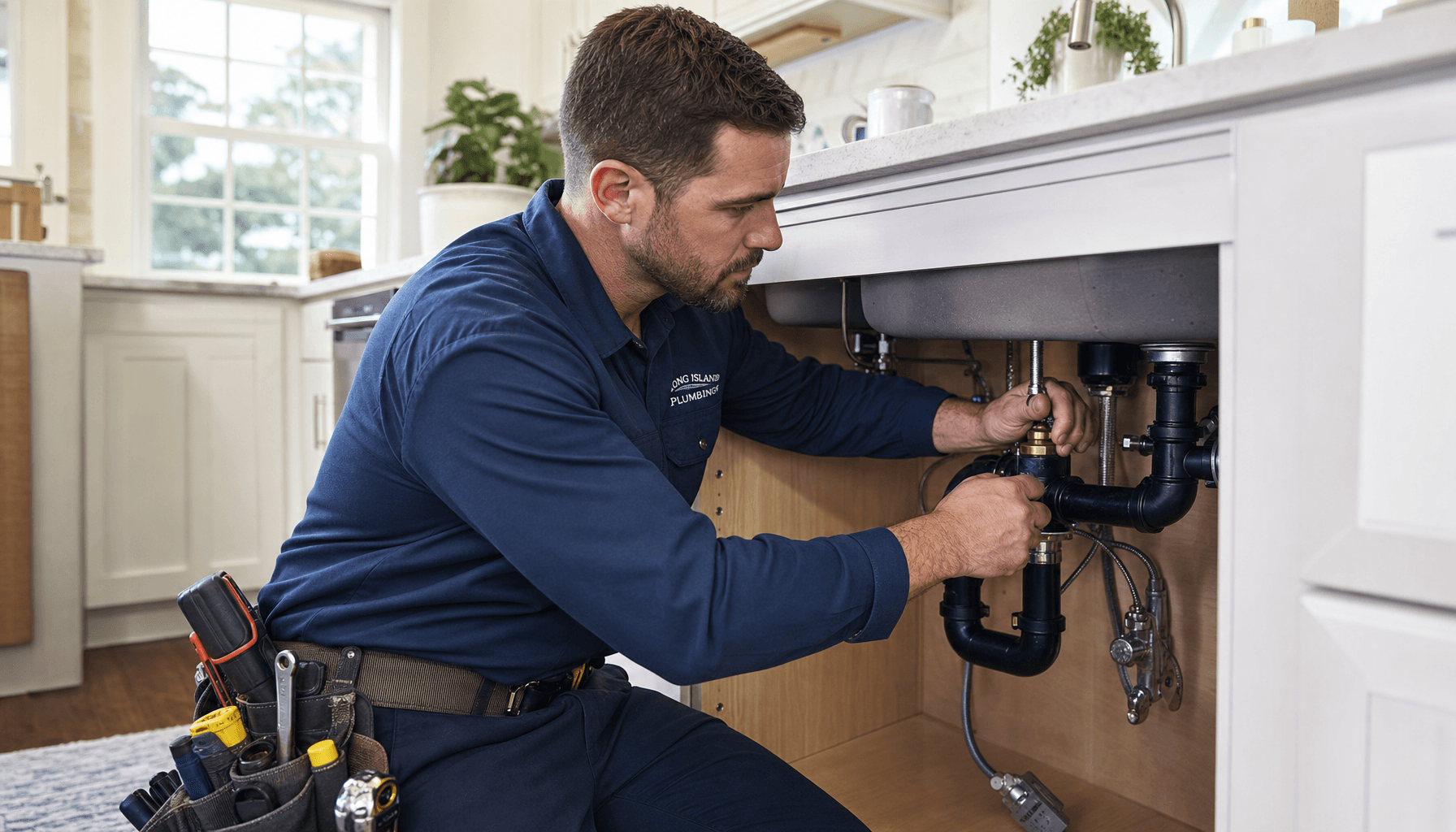
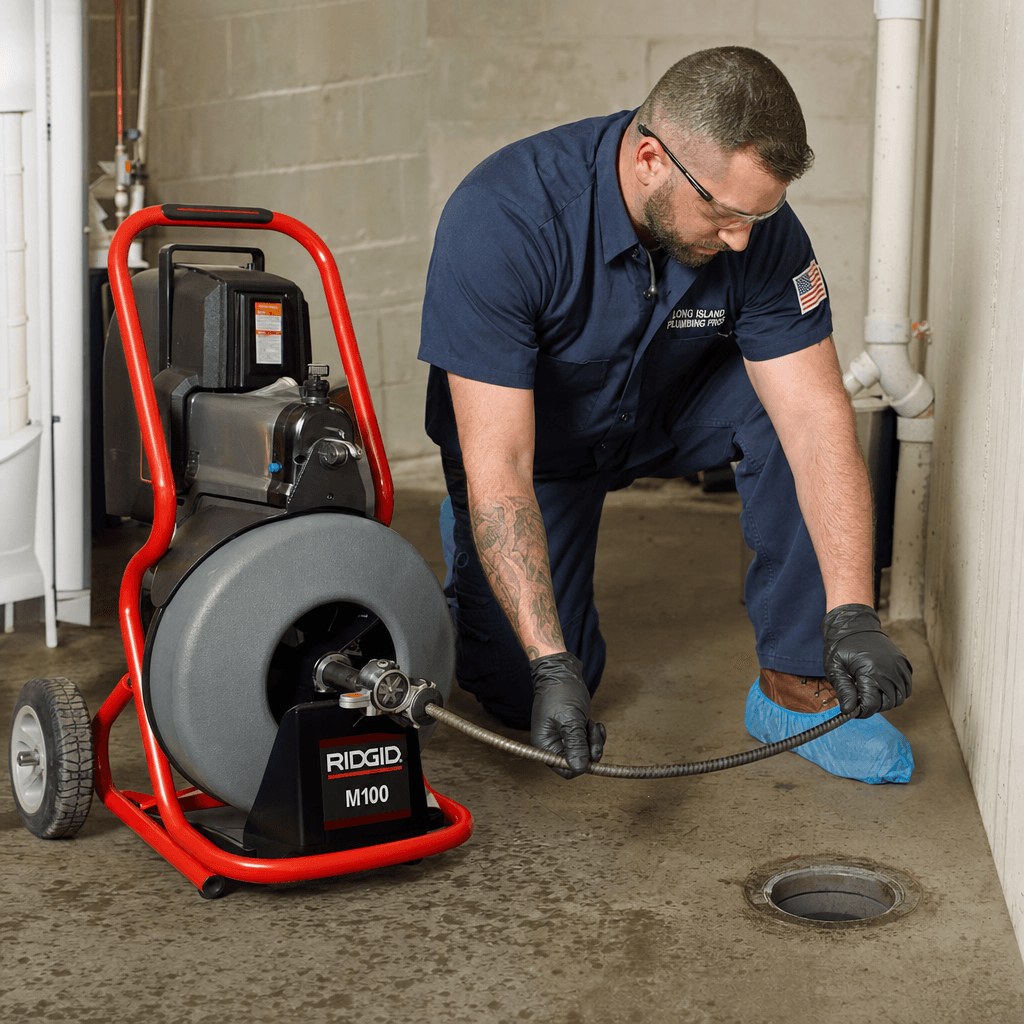
A cable machine punches through a clog. Hydro jetting removes it — and everything else coating the inside of the pipe.
Hydro jetting uses highly pressurized water, typically 3,000-4,000 PSI on drain lines and up to 4,000 PSI on sewer mains, pushed through a specialized hose and nozzle assembly. The forward and rear-facing jets cut through blockages and scour the pipe walls, washing everything out and downstream. When the job is done, you have a pipe that's clean to the wall — not just a hole punched through a clog.
When hydro jetting is the right tool:
- Grease buildup in kitchen drain lines that cable cleaning can't fully remove
- Recurring clogs on a line that's been cabled multiple times without lasting results
- Sewer main cleaning after root removal — roots leave behind debris that cable machines don't clear
- Scale and mineral buildup in older pipes, especially in areas with hard water
- Pre-lining preparation when a pipe liner is going in — the host pipe needs to be clean for the liner to bond
- Restaurant and commercial kitchen drain lines with heavy grease loads
- Main sewer lines that cable cleaning can't fully restore to flow capacity
When hydro jetting is not the right tool:
Hydro jetting is aggressive. On pipes that are significantly deteriorated — thin-walled corroded cast iron, cracked clay tile, loose joints — that pressure can cause damage. Before we jet any line, we scope it with a camera. If the pipe isn't in condition to handle the pressure, we'll tell you and explain what the right option is.
-- How the Process Works
Step 1 — Camera inspection first. We always scope the line before we jet it. The camera tells us what we're dealing with (grease, roots, scale, debris), where the worst buildup is, and whether the pipe is structurally sound enough to handle high-pressure cleaning. This is not a upsell — it's a safety step that protects your pipes.
Step 2 — Set up access. We access the line through the cleanout — usually an exterior cleanout cap on the sewer main, or an accessible cleanout inside for branch drain work. If there's no cleanout or it's not accessible, we'll note that and discuss options.
Step 3 — Jet the line. We feed the jetting hose into the line and work our way through. The rear-facing jets propel the hose forward while cleaning the pipe walls. We work from the house toward the street on main lines, pulling everything out downstream. On kitchen lines, we typically work from the accessible cleanout toward the stack.
Step 4 — Post-jetting scope. After jetting, we run the camera again to confirm the pipe is clean and to catch anything the jetting revealed — a joint that was hidden by buildup, a section that's thinner than expected. You see the before and after.
Step 5 — Flow confirmation. We run water to confirm the line is draining at full capacity before we pack up.
-- Grease Lines and Recurring Kitchen Drain Problems
Grease is the most common reason a kitchen drain line needs hydro jetting rather than cable cleaning. Grease goes down liquid but solidifies within the first 10-15 feet of the line, building up over months and years until the pipe is partially or fully blocked.
Cable machines punch through grease clogs but don't remove the layer of grease still coating the pipe wall. That layer continues to catch new grease and food debris, rebuilding the blockage faster each time. If you've been having a kitchen drain cabled every 6-12 months and it keeps coming back, hydro jetting is likely the solution — it removes the grease from the walls and gives you a clean starting point.
This is common in older homes in Hauppauge, Islip, and Babylon where kitchens have been in use for decades without the drain lines ever being properly cleaned. It's also common in homes where a garbage disposal gets heavy use.
-- Sewer Main Jetting
For main sewer lines — especially lines with root intrusion history — hydro jetting after cable cleaning gives a more complete result. Cable machines cut through roots but leave root debris in the line. Jetting clears that debris and also cleans the joint surfaces where roots entered, slowing regrowth.
If you're preparing for pipe lining, the pipe has to be jet-cleaned before the liner goes in. We do the camera, the jetting, and the post-jetting scope as a package when pre-lining prep is needed.
We also do periodic sewer main jetting as a maintenance service for homeowners who've had recurring root intrusion issues — typically annually or every two years depending on tree species and intrusion rate.
USERCHECKINS
Job 1: Kitchen drain line hydro jetting, Hauppauge. 45-foot run from the kitchen cleanout to the main stack had 15+ years of grease buildup — cable machine had been clearing it annually. Post-jetting scope showed full pipe diameter restored. Follow-up visit 18 months later confirmed no recurrence. Job 2: Sewer main jetting after root clearing, Huntington. Cleared oak roots with cable machine, then jetted the full 60-foot main to remove root debris and clean the joint surfaces. Reduced root regrowth rate significantly — customer went from clearing every 8 months to 18 months between service visits. Job 3: Pre-lining preparation, Brentwood. Scoped the line (cast iron from 1962, significant interior corrosion but structurally intact), jetted it to bare metal, post-scope confirmed the pipe was clean and ready for lining. Liner contractor went in the following day. Job 4: Floor drain and laundry drain cleaning, Patchogue. Both drains had heavy scale buildup from hard water — the laundry drain in particular had significant soap scum and mineral scale. Jetted both lines, restored full flow. Also recommended a water softener consultation given the water quality in the area. Job 5: Commercial kitchen drain cleaning, Islip. Restaurant with monthly drain issues. Jetted the full kitchen drain system including the grease trap inlet and outlet lines. Found the grease trap itself needed pumping — coordinated with a pumping service for the same day. Drains clear, grease trap serviced. Job 6: Recurring basement floor drain backup, Bay Shore. Home had been dealing with slow basement drain for two years. Camera showed heavy scale and debris buildup in the 4-inch cast iron floor drain line — cable cleaning had never fully cleared it. Jetted from the cleanout, restored full capacity. Follow-up scope confirmed the line was clean to the main.